


-

Add: HeBei ShengShi HongBang Cellulose Technology CO.,LTD.
-

Email
13180486930@163.com -

CONTACT US
+86 13180486930



Gentamicin with Hydroxypropyl Methylcellulose (HPMC) Eye/Ear Drops A Comprehensive Insight Gentamicin with Hydroxypropyl Methylcellulose (HPMC) eye/ear drops represent a significant advancement in therapeutic treatments for ocular and auditory infections. As infections in these areas can severely impair daily functions, the efficacy and safety of medications are of utmost importance. This article explores the intricate balance between patient experience, professional insights, authoritative knowledge, and trust issues in the use of gentamicin with HPMC drops. Experience User-Centric Outcomes Patients seeking treatment for bacterial infections in the eyes or ears often endure discomfort and anxiety. Gentamicin, an aminoglycoside antibiotic, targets and eradicates susceptible bacterial strains, providing relief from symptoms such as redness, swelling, and discharge. When combined with HPMC, a biocompatible polymer acting as a lubricant, users experience enhanced comfort. The addition of HPMC not only facilitates prolonged contact time with the mucosal surface but also reduces the irritation that can be associated with gentamicin alone. Patients report a soothing sensation upon administration, leading to an overall positive experience during the course of treatment. Expertise Professional Insights on Efficacy and Safety The mechanism of action of gentamicin involves inhibiting bacterial protein synthesis, making it highly effective against a broad spectrum of pathogens including Pseudomonas aeruginosa, Staphylococcus aureus, and Escherichia coli. Research and clinical trials underscore its efficacy, particularly in treating acute and chronic conditions of the eyes and ears. HPMC complements this action by serving as a viscosity enhancer. This ensures that gentamicin remains in contact with the infected site longer, enhancing its bacterial killing properties while providing a shield that minimizes mechanical irritation. Healthcare professionals emphasize the drop’s dual functionality in infection control and symptom alleviation. gentamicin with hpmc eye/ear drops Authoritativeness The Science Behind the Solution Gentamicin with HPMC eye/ear drops are backed by extensive laboratory research and clinical studies, establishing their authority in the treatment of bacterial infections. Pharmacological studies detail the pharmacokinetics involved, highlighting the drug’s absorption, distribution, metabolism, and excretion patterns. Moreover, the combination is approved by various international health authorities, reflecting rigorous assessments of its therapeutic benefits and safety protocols. Leading ophthalmologists and otolaryngologists recommend this formulation considering its lower side effect profile compared to other antibiotics, ensuring its authoritative stance in medical treatments. Trustworthiness Building Confidence in Treatment The trust placed in gentamicin with HPMC is a culmination of transparency in clinical findings and patient outcomes. Adverse reactions are minimal, with most being mild and transitory, such as temporary burning or stinging sensations. This transparency, coupled with ongoing pharmacovigilance, reassures both patients and medical practitioners of its reliability. The consistency in manufacturing practices, adherence to top-tier quality control standards, and availability of patient information leaflets further boost confidence. Patients can trust this product to deliver safe and effective treatment, aligned with current medical standards and patient care principles. In conclusion, gentamicin with HPMC eye/ear drops embody a sophisticated solution to bacterial infections, valued for their efficacy, patient-friendly formulation, and steadfast safety profile. By integrating expertise with empathetic patient experience , this treatment stands as a paragon of modern pharmaceutical care. Patients and healthcare providers can trust in its ability to restore health with minimal discomfort, ensuring a high standard of therapeutic care.
- 40000tons

Production
- 20+years

Experience
- 5000+㎡

Acreage

-
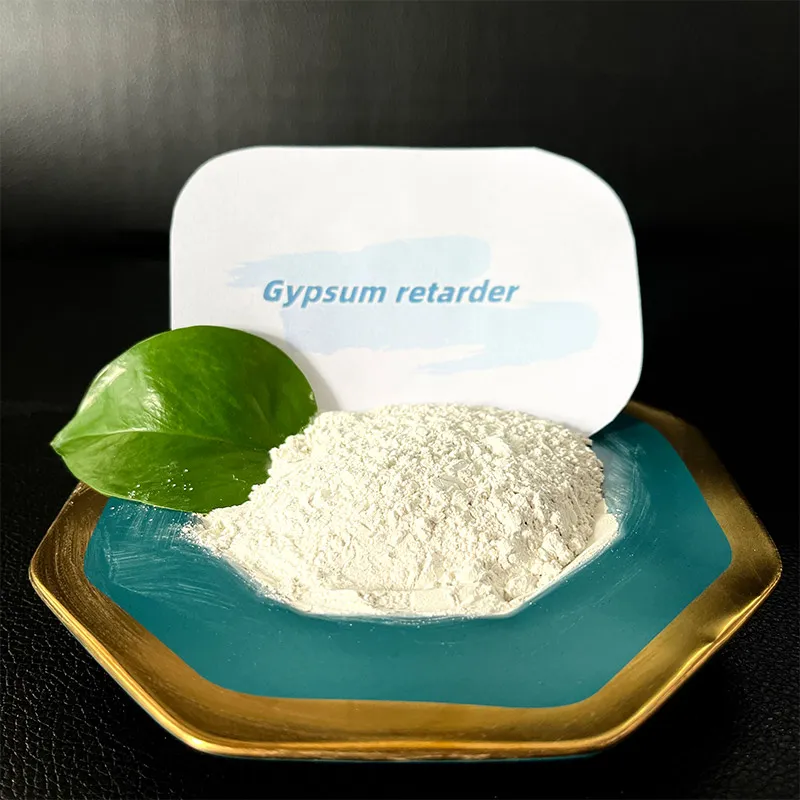
Understanding Gypsum-Based Chemical Additives Applications and Benefits Gypsum, a naturally occurring mineral composed of calcium sulfate dihydrate, has been used in construction and agriculture for centuries. However, its role extends beyond these traditional usages, particularly when combined with various chemical additives. This article delves into gypsum-based chemical additives, their applications, and the benefits they offer across different industries. What are Gypsum-Based Chemical Additives? Gypsum-based chemical additives are substances mixed with gypsum to enhance its performance and functionality. These additives can vary significantly in composition, including organic and inorganic compounds. The primary goal of these additives is to modify the properties of gypsum, making it more versatile and effective for specific applications. Some common additives include retarders, accelerators, and plasticizers. Applications in Construction In the construction industry, gypsum is a critical material used in the production of drywall, plaster, and other building materials. By incorporating chemical additives, manufacturers can improve the mechanical properties and setting times of gypsum products. 1. Retarders These additives slow down the setting time of gypsum, giving builders more time to work with the material before it hardens. This is particularly useful in large projects where extensive application is required. 2. Accelerators On the other hand, accelerators speed up the setting time of gypsum products. This feature is beneficial in situations where quick drying is needed, such as in repair work or time-sensitive projects. . Benefits in Agriculture гипс удаашруулагч химийн Gypsum-based chemical additives are not limited to construction; they also have significant applications in agriculture. Gypsum can improve soil structure, drainage, and aeration, while the addition of certain chemical agents can further enhance these effects. 1. Soil Amendment Gypsum helps to loosen compacted soil and improves water infiltration. When combined with organic matter or specific chemical additives, gypsum can significantly boost soil fertility. 2. Nutrient Management The addition of gypsum can help manage toxic levels of sodium in the soil, allowing crops to access essential nutrients more effectively. This is particularly beneficial in saline soil environments. 3. pH Regulation Some gypsum-based additives can help regulate soil pH, fostering an ideal environment for crops to thrive. This is essential for optimizing crop yield and quality. Environmental Impact and Sustainability In recent years, the emphasis on sustainable practices in both construction and agriculture has led to increased interest in gypsum-based chemical additives. These materials are environmentally friendly, as they are derived from natural sources and can enhance the sustainability of projects. For instance, the use of gypsum can help reduce waste in construction by allowing for the recycling of materials. In agriculture, gypsum can mitigate the adverse effects of soil salinity and improve the overall health of the ecosystem. Conclusion Gypsum-based chemical additives play a crucial role in enhancing the properties and functionality of gypsum in various applications. From improving construction materials to addressing agricultural challenges, these additives contribute to greater efficiency, effectiveness, and sustainability. As industries continue to seek innovative solutions to meet demands, the importance of gypsum and its chemical enhancements will undoubtedly grow. Understanding and leveraging these materials can pave the way for more sustainable practices, benefiting both the environment and economies worldwide. In conclusion, the diverse applications of gypsum-based chemical additives illustrate their significance in modern industries. Their ability to improve material performance while promoting sustainability showcases the potential for these natural minerals to address contemporary challenges. As research and development continue in this field, we can expect to uncover even more benefits, further solidifying gypsum’s role as a cornerstone material in construction and agriculture.
-
In the complex world of construction and building materials, innovative products regularly establish new standards. One groundbreaking advancement is ANSOS HPMC – Hydroxypropyl Methylcellulose, a synthetic polymer that holds remarkable potential in various applications. As this product is poised to become a staple among construction professionals, it is crucial to explore its real-world applications, niche benefits, and why it earns its place in your inventory. ANSOS HPMC is designed to excel in construction environments where versatility and performance are of paramount importance. The product's multifunctional nature allows it to be integrated effectively across a range of projects, offering distinct advantages over traditional materials. Its primary function is as an additive to cement-based products . This polymer is ingeniously tailored to enhance water retention, consistency, and workability of cement mixes, therefore ensuring superior outcomes. Construction professionals who have incorporated ANSOS HPMC into their repertoire often share compelling experiences that underline its effectiveness. For instance, a project manager overseeing a housing development in Arizona faced challenges with heat-induced rapid water loss in cement mixes. Introducing ANSOS HPMC allowed the contractor to maintain a desirable moisture balance during curing, significantly reducing the occurrence of cracks and ensuring a smoother finish. Expertise in construction materials points to another application where ANSOS HPMC demonstrates its value tile adhesives. Professionals laud the product's ability to improve bond strength and extend open time, thereby reducing failures and enhancing tile longevity. In one industry case study, a tile installer reported a 25% reduction in tile adhesive costs when switching to formulations containing ANSOS HPMC, owing to fewer callbacks and reduced wastage. What further bolsters ANSOS HPMC's standing is its unmatched environmental profile. The combination of biodegradable components with a low toxicological risk makes this polymer an attractive choice for projects emphasizing sustainability. For instance, a European construction firm committed to green practices witnessed an improved LEED rating following the adoption of ANSOS HPMC-enhanced products, highlighting its eco-friendly appeal. ansos hpmc Expert reviews emphasize the polymer's role in reducing environmental strain by optimizing the proportion of raw materials needed in mix designs. This reduction drastically cuts down CO2 emissions associated with binder production, aligning with global efforts toward sustainable construction. As an authoritative voice in construction material advancements, many seasoned professionals attest to the product's reliability and efficacy. ANSOS HPMC's ability to maintain structural integrity under diverse conditions is unmatched, catering to both high-stakes urban projects and self-build communities. The Institute of Modern Construction Materials published a report recognizing ANSOS HPMC as a pivotal step forward in polymer research, underscoring the scientific community's confidence in its capabilities. The trustworthiness of ANSOS HPMC is reinforced through extensive quality testing and satisfaction metrics among users. Manufacturers provide comprehensive data regarding performance consistency across varying climates and project scales. Independent testing agencies continue to verify these claims, making ANSOS HPMC a benchmark for industry standards. However, adopting ANSOS HPMC also includes understanding its technical nuances to maximize benefits. For instance, slight variations in mix formulation can be fine-tuned to project-specific needs, allowing precise control over setting times and flexibility without compromising quality. In conclusion, ANSOS HPMC stands out as a transformative polymer in the construction sector, backed by real-world experiences, specialist endorsements, authoritative acknowledgements, and proven trustworthiness. Its contributions extend beyond mere functional applications, representing a broader commitment to innovation and environmental stewardship. As construction practices evolve, ANSOS HPMC is poised to remain a catalyst in shaping the future of building materials. For those seeking to enhance project outcomes while remaining true to sustainability goals, ANSOS HPMC is an investment not merely in superior materials but in the cutting-edge progression of construction methodology.
advantages
-

200000 Viscosities
Excellent product
We can produce pure products up to 200,000 viscosities
-

40000 tons
High yield
We don’t stop production all year round, and the annual output can reach 40,000 tons
-

24 hours
Quality service
We provide 24-hours online reception service, welcome to consult at any time
———— Inquiry Form
Schedule A services



-
 how_to_make_rubber_powder
Oct . 25, 2025
Navigating the world of chemicals , one encounters numerous compounds essential for various industri - hpmc_polymer_properties
Oct . 25, 2025
Polypropylene fiber is a versatile, high-performance material that offers a wide range of benefits f -
 hpmc_empty_capsules
Oct . 25, 2025
Polypropylene fiber, often referred to as PP fiber, is revolutionizing a multitude of industries wit


